|





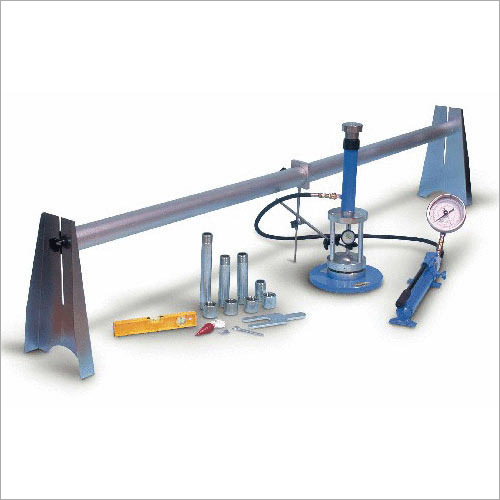
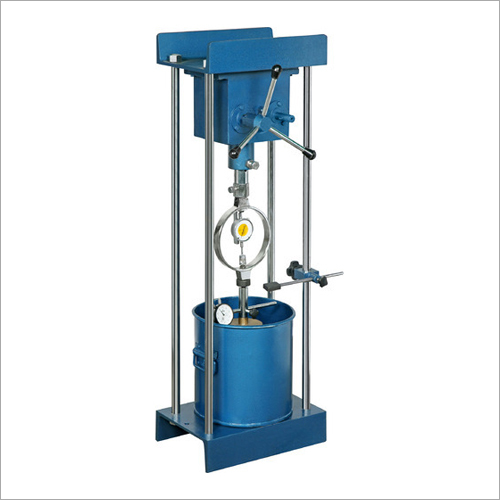

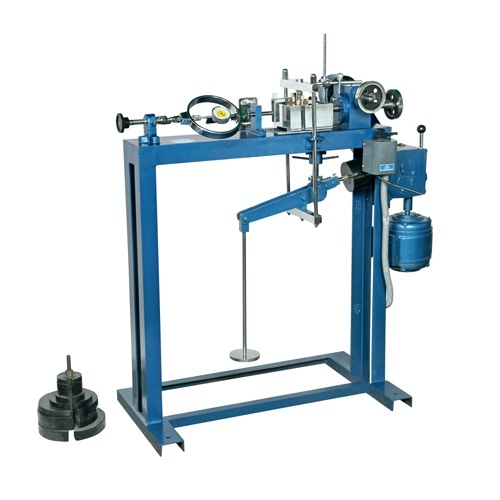
Blaine Air Permeability Test Apparatus


Blaine Air Permeability Test Apparatus Specification
- Number of Specimens
- Single specimen at a time
- Response Time
- Within 60 seconds
- Features
- Compact, Portable, Simple Operation, High Repeatability
- Product Type
- Blaine Air Permeability Test Apparatus
- Accuracy
- 1% of reading
- Color
- White
- Max Height
- Approx. 400 mm
- Specimen Size
- 6.5 g to 3.25 g (depending on sample type)
- Equipment Type
- Blaine Air Permeability Test Apparatus
- Material
- Stainless Steel
- Automation Grade
- Manual
- Temperature
- Ambient (Typically 10C - 35C)
- Test Range
- 200 to 6000 cm2/g
- Gas Pressure
- Uses atmospheric air
- Interface Type
- Direct observation / manual
- Frequency
- Not applicable (manual)
- Resolution
- Up to 1 cm2/g
- Display Type
- Manometer (liquid level) scale
- Power Supply
- Electric
- Port Size
- Standard design port for manometer connection
- Hardness
- Not specified (metal body with glass manometer)
- Mounting Type
- Bench-top
- Measuring Range
- 200 to 6000 cm2/g
- Operating Voltage
- Not Applicable (manual operation)
- Humidity
- Ambient
- Application
- Determination of cement and other powder material fineness
- Usage
- Laboratory apparatus for cement fineness testing
- Capacity
- One test per operation
- Machine Weight
- Approx. 3.5 kg
- Test Speed
- Manual Operation
- Test Width
- Standard Cylinder (12.7 mm Diameter)
- Test Stroke
- Conventional Blaine Operation
- Control Mode
- Manual
- Manometer Fluid Type
- Naphthyl Phthalate or Dibutyl Phthalate
- Manometer Capacity
- Up to 12 ml fluid
- Fineness Standard
- IS:4031, ASTM C204, EN196
- Color
- Light Grey/Blue (as per supplier stock)
- Powder Chamber Volume
- Sound construction for repeatable specimen packing
- Maintenance
- Minimal, easy cleaning and oil refill
- Construction Material
- Machined Metal Base with Borosilicate Glass U-Tube Manometer
- Included Accessories
- Rubber Sucker, Filter Paper, Plunger, Perforated Disc, Non-hygroscopic Manometer Oil, Spare Parts Kit
Blaine Air Permeability Test Apparatus Trade Information
- Minimum Order Quantity
- 01 Box
- Supply Ability
- 1 Box Per Month
- Delivery Time
- 2-3 Week
About Blaine Air Permeability Test Apparatus
Blaine Air Permeability Test Apparatus
The fineness of cement has a significant effect in its physical properties when used in concrete. Generally the finer the cement powder, the more rapid the concrete will set, as there is an increase in its surface area. The measure of fineness is usually undertaken by sieving, and the result assessed against the cement standard for compliance. The Blaine air permeability apparatus is used to determine the fineness of Portland cement in terms of the specific surface expressed as total surface area in square centimetres per gram of cement. The Blaine apparatus draws a defined volume of air through a prepared bed of cement of defined porosity.
Superior Precision and Construction
Featuring a stainless steel body and borosilicate glass U-tube manometer, this apparatus is built for lasting performance and highly repeatable results. Its powder chamber is engineered for consistent specimen packing, ensuring accurate comparative fineness readings across a range of cement and powder materials.
Easy Maintenance and Simple Operation
Designed with hassle-free cleaning and oil refill in mind, the Blaine apparatus is easy to maintain and operate. All essential accessories and a spare parts kit are included, keeping downtime minimal. Its bench-top, compact build makes it suitable for any laboratory environment without compromising on accuracy.
Reliable Results Across International Standards
Meeting IS:4031, ASTM C204, and EN196 fineness standards, this apparatus facilitates compliance with global quality norms. Its range of 200-6000 cm2/g and 1 cm2/g resolution enable laboratories to perform detailed and reliable permeability measurements required for quality control and certifying cement powders.
FAQ's of Blaine Air Permeability Test Apparatus:
Q: How does the Blaine Air Permeability Test Apparatus measure cement fineness?
A: It determines cement fineness by measuring the time required for a fixed quantity of air to flow through a compacted powder sample in a standard cylinder, using a U-tube manometer filled with compatible oil. The resulting air permeability is used to calculate the specific surface area (fineness) in cm2/g.Q: What are the benefits of using a borosilicate glass manometer and machined metal base?
A: Borosilicate glass offers chemical resistance and clarity for direct liquid level observation, while the machined metal base provides stability and durability. Together, they ensure precise readings and long service life under frequent laboratory use.Q: When should I use the Blaine Air Permeability Apparatus in a testing process?
A: Use this apparatus whenever you need to determine the specific surface area (fineness) of cement or fine powders as part of quality control, raw material assessment, or compliance with IS:4031, ASTM C204, or EN196 standards.Q: Where is the ideal environment to operate this apparatus?
A: It is best used in laboratories with controlled temperature (10C-35C) and ambient humidity. The compact, bench-top design allows for flexibility in placement within a laboratory setup.Q: What materials can be tested using this apparatus, and what specimen sizes are supported?
A: It is primarily intended for cement and similar powdery materials, with single specimen sizes of 6.5 g to 3.25 g, depending on the type of sample being tested.Q: What process is involved in conducting a fineness test with this apparatus?
A: The process involves packing the powder sample into the chamber, connecting the manometer, filling with the specified oil, and manually drawing air through the sample. The liquid level movement on the scale is timed, and this data is used to calculate specific surface area.Q: What are the main advantages of this apparatus for laboratories?
A: Key advantages include high repeatability, simple manual operation, minimal maintenance, accurate and direct observations via the manometer, and compliance with multiple international standards for cement fineness testing.
Price:
- 50
- 100
- 200
- 250
- 500
- 1000+

More Products in Cement Testing Equipment Category
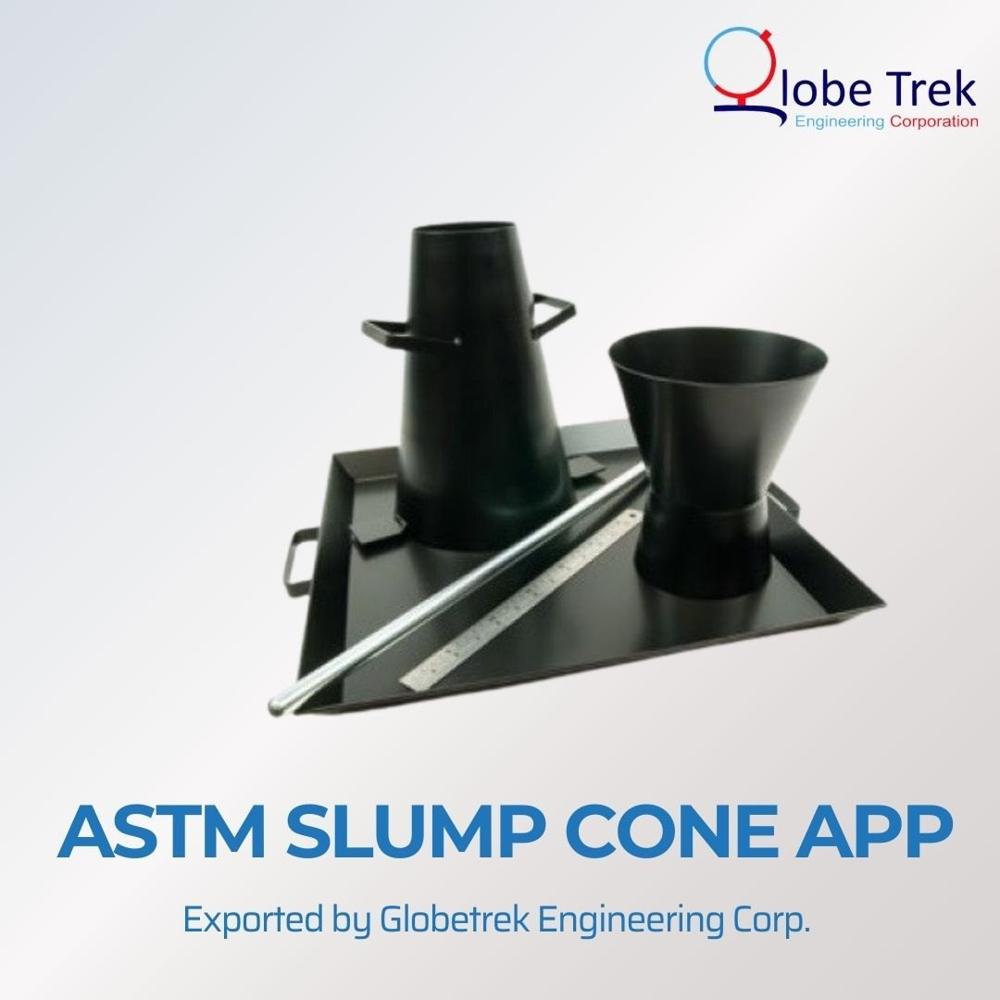
ASTM Slump Cone Apparatus
Price 6000.0 INR / Set
Minimum Order Quantity : 1 Set
Power Supply : Manual
Color : Black
Features : Good Quality
Material : PVC
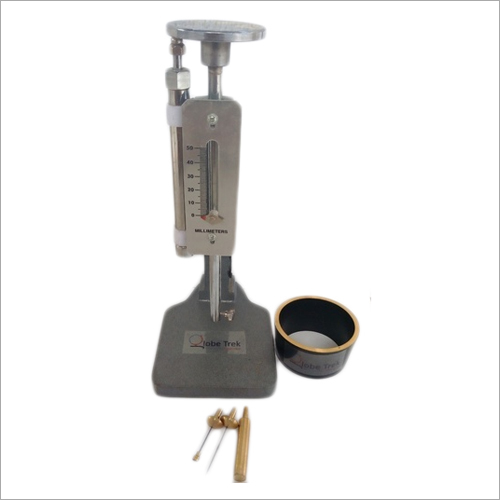
Vicat Needle Apparatus
Price 4000.00 INR / Set
Minimum Order Quantity : 1 Piece
Power Supply : Electric
Color : Gray / Blue



Contact Details
GST : 27AAMFG8874A1Z4
 Send Inquiry
|
 |
GLOBETREK ENGINEERING CORPORATION
All Rights Reserved.(Terms of Use) Developed and Managed by Infocom Network Private Limited. |
